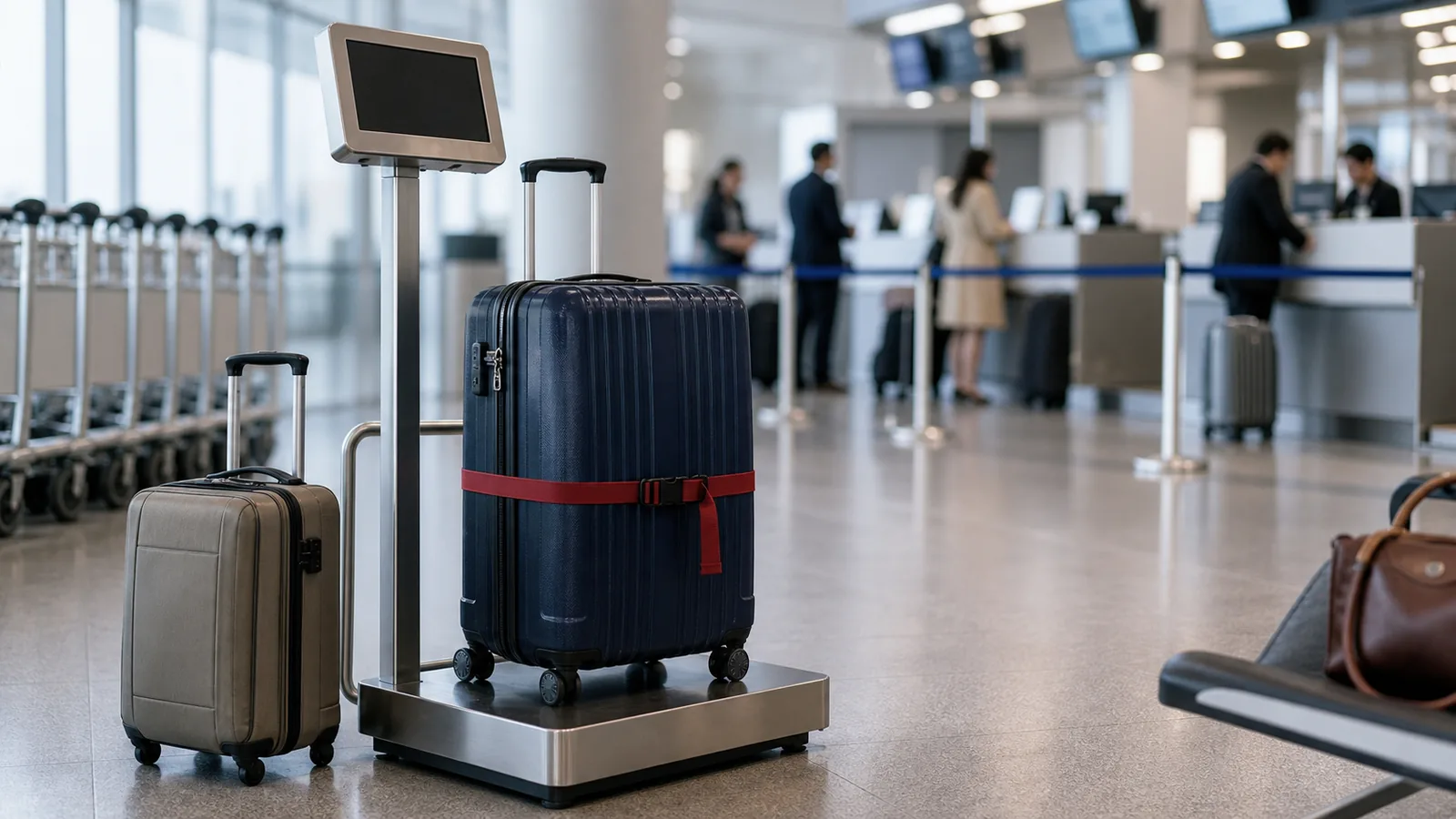
You are checking in at Narita on the way home, the scale tilts — 2 kg over, 7,000 yen penalty. This story plays out tens of thousands of times each year. Airlines have very different baggage rules, and if you do not check ahead, you are essentially paying more for the same ticket. This article walks through baggage limits, overweight fees, and the tricks for keeping the money in your pocket on every major airline flying to Japan.
The core split: full-service vs LCC
Full-service carriers (China Airlines, EVA Air, JAL, ANA, Cathay): 23-30 kg checked baggage is bundled with the ticket, with generous rules.
Low-cost carriers (Peach, Jetstar, Scoot, Tigerair Taiwan, Tiger): checked baggage is usually NOT included and must be purchased separately.
The trap: a 7,000-yen EVA round trip and a 4,000-yen LCC round trip can end up at similar totals once the LCC adds baggage, seat selection, and meals. Looking only at the base fare is the classic LCC mistake.
Baggage rules for airlines flying to Japan (2026 update)
1. Full-service carriers (no purchase needed)
— China Airlines / EVA Air (economy): 30 kg checked + 7 kg carry-on (2 pieces combined) — JAL / ANA (Japanese carriers): 23 kg × 2 pieces checked + 10 kg carry-on — Cathay Pacific: 30 kg checked + 7 kg carry-on — Singapore Airlines: 30 kg checked + 7 kg carry-on
2. Semi-LCC / mid-tier carriers
— Starlux Airlines (economy Standard): 30 kg checked + 7 kg carry-on (2 pieces combined) — HK Express: 20 kg checked (paid add-on) + 7 kg carry-on
3. LCCs (low-cost, baggage must be added)
— Peach Aviation: 7 kg carry-on (free) + checked baggage purchased separately
- 20 kg add-on: about 1,500-2,500 yen
- 25 kg add-on: about 2,500-3,500 yen
- 30 kg add-on: about 3,500-4,500 yen
— Jetstar: 7 kg carry-on + checked add-on similar to Peach
— Scoot / Tiger: 7 kg carry-on + checked add-on 1,500-3,500 yen
— Tigerair Taiwan: 10 kg carry-on (larger than peers) + checked add-on
Overweight fees — the real numbers
Full-service: 700-1,500 yen per kg over (depends on cabin and destination). Twenty kg over equals 14,000-30,000 yen — sometimes more than buying another ticket.
LCC: overweight fees are brutal, at 1,500-3,000 yen per kg. Five kg over on an LCC equals 10,000-15,000 yen, often more than the next-tier baggage add-on would have cost.
Airport counter vs prepaid online
The LCC playbook: prepaying online is roughly 50 percent cheaper than at the counter. If you expect to carry 25 kg, buy a 25 kg allowance on the LCC website at least 24 hours before departure — far cheaper than being told you are overweight at check-in.
Practical picks: which airline should you book?
1. Heavy shoppers (more than 25 kg of souvenirs on the return): book EVA or China Airlines. The ticket runs 2,000-3,000 NTD more, but 30 kg is included — better than LCC add-on math.
2. Light travelers (15-20 kg on the return): book an LCC. Peach, Jetstar, and Tigerair Taiwan run 30-50 percent cheaper, and even with baggage fees added it still wins.
3. Family trips: full-service plus pooled allowances across travelers is the better deal.
4. Ski or long trips: EVA Air ski-season promotions waive fees for golf bags and ski gear, while other airlines charge 4,000-8,000 yen.
Carry-on rules
Every carrier enforces the standard: carry-on must fit within 55 × 40 × 23 cm, weighing 7-10 kg depending on the airline. Peach uses a tighter 50 × 40 × 25 cm box, smaller than the norm, so pay close attention.
Personal items (backpack or shoulder bag) are usually counted separately but must fit under the seat in front or inside your carry-on.
Seven tricks to dodge overweight fees
1. Wear your warmest jacket on the flight home instead of packing it (a down jacket plus thick sweater saves 1-1.5 kg).
2. Wear your heaviest shoes (snow boots run 600 g more than flats).
3. Pick light souvenirs: 「お菓子」 (sweets) are featherweight, while ceramics and bottled alcohol are heavy — for the same 5,000-yen budget, sweets save 2-3 kg.
4. Buy liquids on the final night: skincare, sake, soy sauce — shop the night before you fly instead of midway through the trip.
5. EVA / CAL / JAL「2 pieces × 23 kg」rule — split the load into two 22 kg cases instead of one 44 kg case. Easier to handle and no overweight risk.
6. Ship boxes home — Japan EMS to Taiwan runs about 2,500 yen for 5 kg and 4,500 yen for 10 kg, often cheaper than overweight fees and you do not have to carry it.
7. Weigh yourself before check-in — most hotels have a bathroom scale in the lobby. If you are 2-3 kg over, pull clothes out and wear them before you reach the counter — never let them weigh you cold.
Pro tip
The night before you leave, lay everything out in two piles: a「must bring home」pile (souvenirs, new clothes) and a「ship or leave behind」pile (old clothes, in-flight entertainment items). Weigh both and decide. The smartest savings play — ship via EMS plus wear your 8 kg of heavy boots — saves 12,000-18,000 yen, enough for two more bowls of ramen in Japan. Next time you book a flight, do not just look at the base fare. Roll baggage costs into the total before comparing — that is the real number.
Frequently Asked Questions
Is Japan economy baggage always 23 kg?
No. 23 kg is common on full-service international flights, but the real allowance depends on your ticket, cabin, fare type, and operating carrier.
Can two 23 kg bags become one 30 kg bag?
Usually no. Piece-based rules normally apply per bag, not only to total weight. An overweight piece may be charged or require repacking.
Which baggage rule applies on a codeshare flight?
Check the operated by line first. The operating carrier, full itinerary, and airline rules can matter more than the flight number printed on the ticket.
What should I do if I know my bag will be overweight?
Buy extra baggage online when possible and split heavy items between bags. Do not rely on last-minute courier shipping for batteries, aerosols, or restricted items.